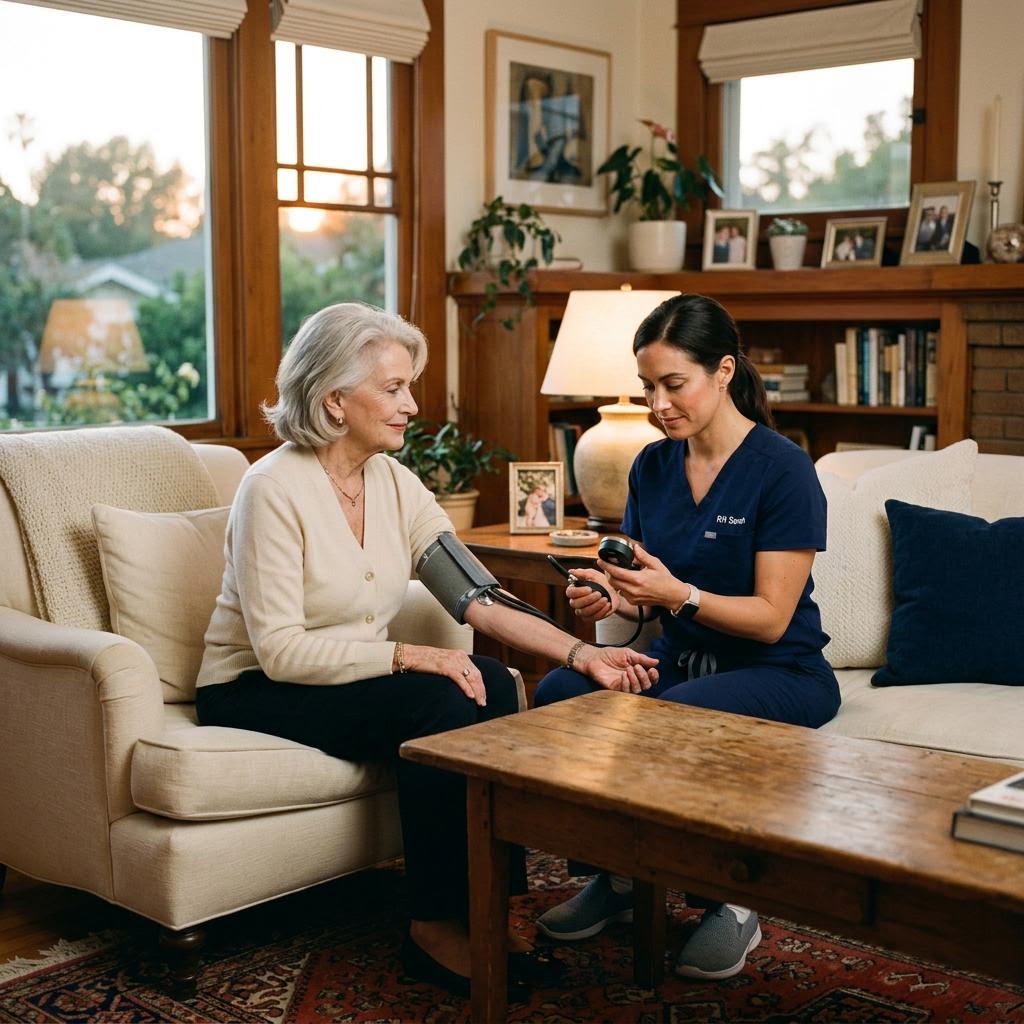
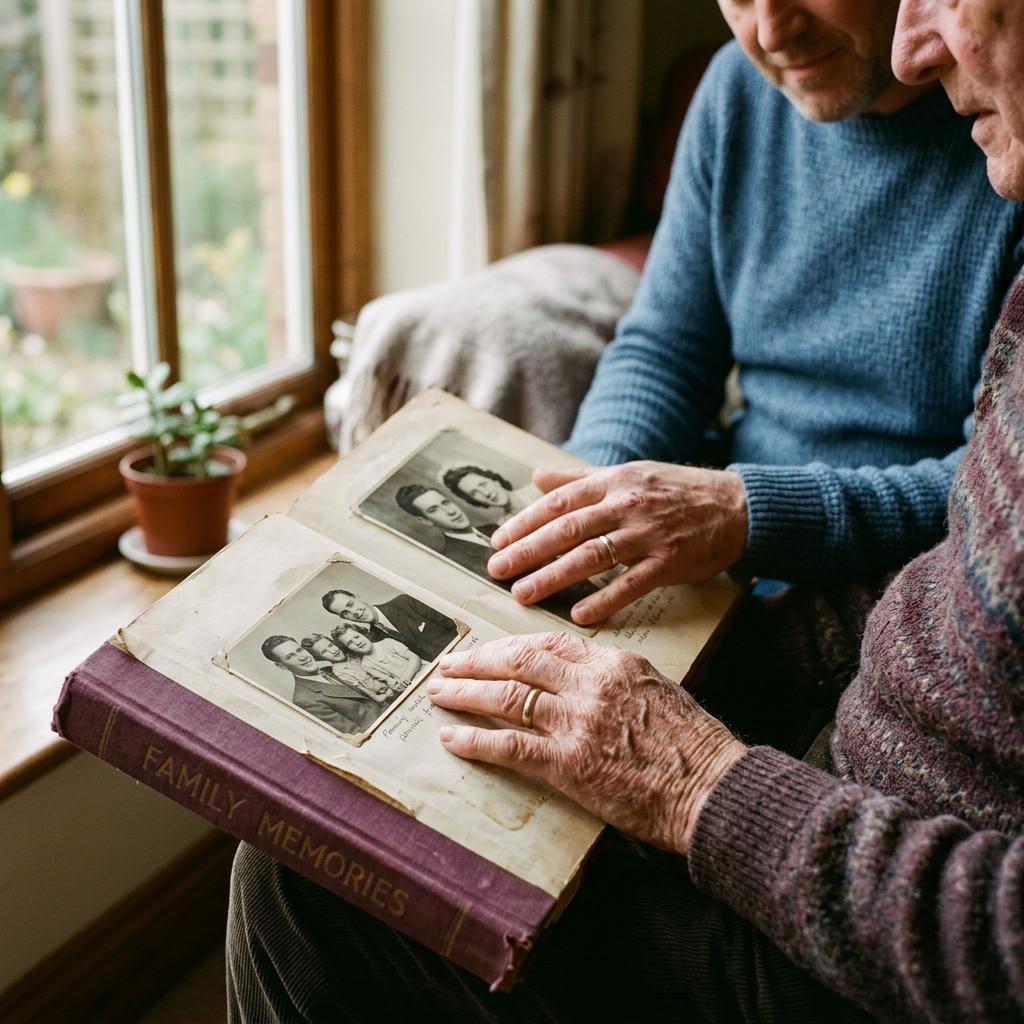
1st Meridian Placement Services helps families across Los Angeles County find the right memory care community for a loved one with Alzheimer's disease or another dementia. Our advisors assess the person's stage, behaviors and medical needs with a nurse's input, recommend secured communities and board-and-care homes we know, accompany tours and manage the move. The service is free; communities pay our fee.
Choosing memory care is the hardest placement a family makes. The person you are placing usually cannot participate in the decision, the communities all describe themselves the same way, and the difference between a good fit and a bad one is measured in wandering incidents, medication changes and phone calls at 2 a.m.
Los Angeles has more memory care options than any family can tour — from large secured communities in the Valley and on the Westside to hundreds of six-bed board-and-care homes that specialize in dementia. Knowing which ones actually manage sundowning, exit-seeking, resistance to care or late-stage needs well, and which ones quietly discharge residents who become difficult, is our job.
When memory care becomes the right choice
Many people with dementia live at home for years, and Medicare home health and private nursing can extend that. A move to memory care is usually the safer choice when your loved one:
Wanders or tries to leave the house, especially at night.
Needs 24-hour supervision that the family cannot sustain, or the family caregiver's own health is failing.
Has behaviors — agitation, aggression, resistance to bathing or medications — that home caregivers cannot manage safely.
Has had repeated falls, hospitalizations or medication errors at home.
Is isolated, and would benefit from structured activity and social contact.
Lives alone while family lives out of state.
A free assessment with our team, informed by a nurse, gives you an honest answer about whether it is time.
Types of memory care in Los Angeles
Dedicated memory care communities
Purpose-built, secured communities with trained staff, structured programming and, in some cases, nursing on site.
Memory care wings in assisted living
Secured neighborhoods within larger communities, useful when a spouse lives in the same building's assisted living.
Dementia-specialized board-and-care homes
Licensed six-bed residential homes with a high staff ratio and a calm, home-like setting — often the best fit for people who become agitated in large environments.
Skilled nursing with memory care
For late-stage dementia with complex medical needs.
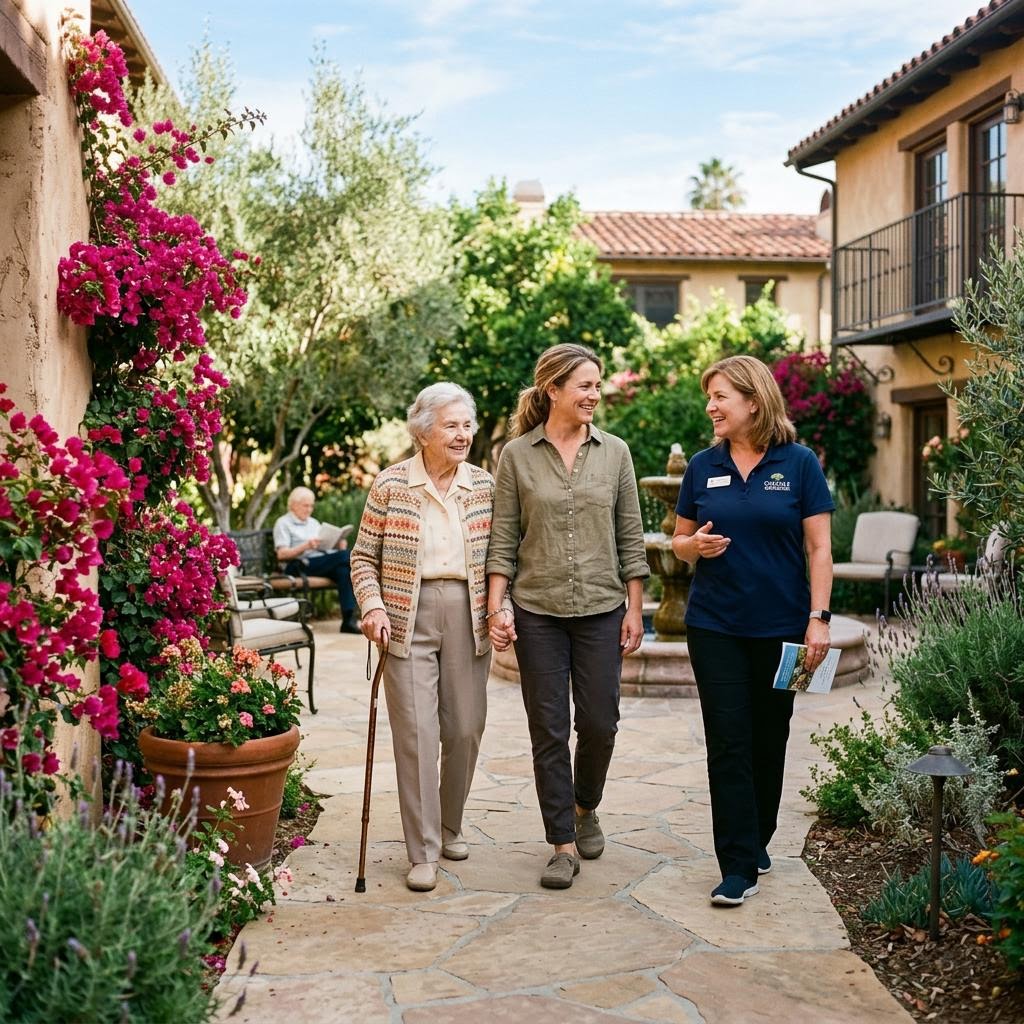
What we look at that families cannot see on a tour
Staffing at night and on weekends
Not the ratio in the brochure — the one on Saturday at 7 p.m.
How the community handles behaviors
Whether they redirect, medicate or discharge residents who become difficult.
Licensing history
California's Community Care Licensing records for citations and complaints.
Medical capability
Diabetes management, oxygen, two-person transfers, hospice partnerships and what triggers a move to a higher level of care.
True cost
Base rate, care-level add-ons, medication management fees and how quickly rates rise.
Easing the move
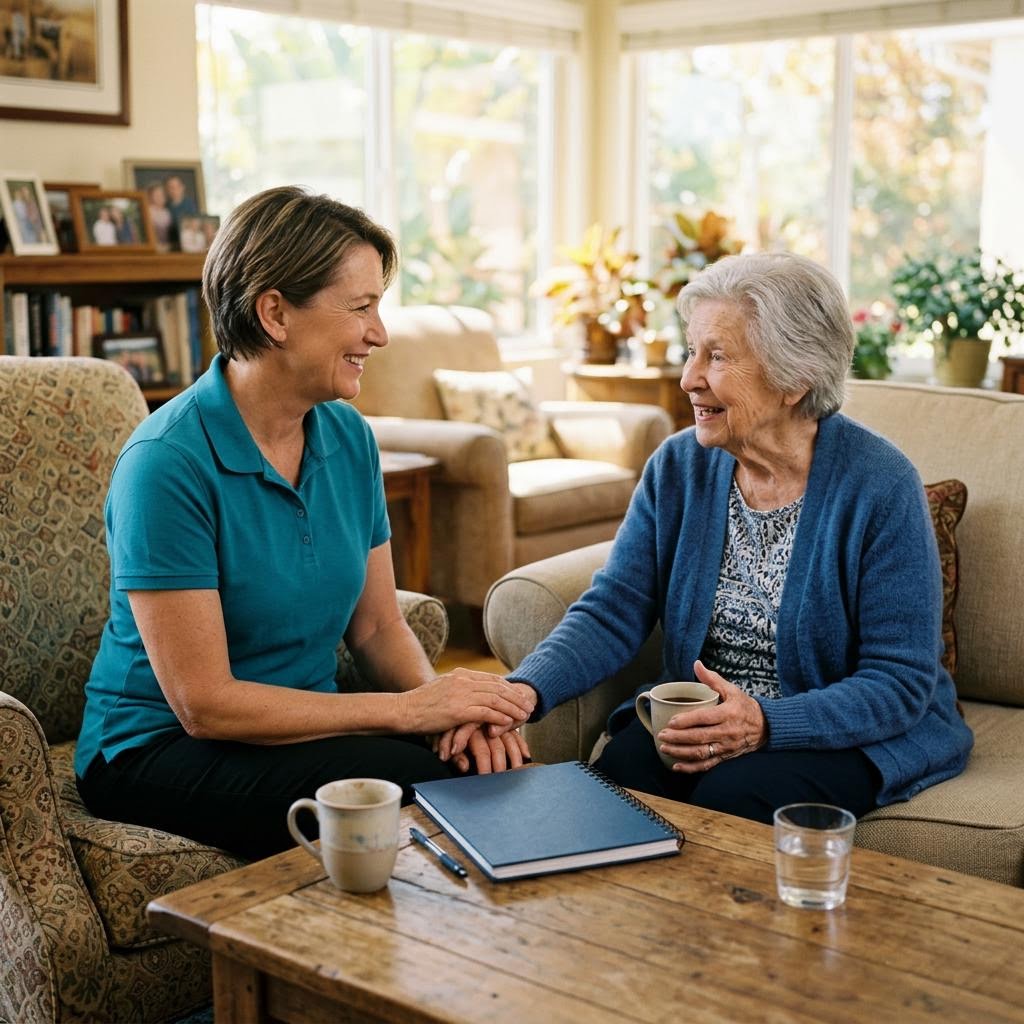
The first week in memory care is the hardest. Our Prime Concierge nurses can accompany your loved one through the first days, help the community learn their routines and preferences, and give the family a clinical report instead of a guess. We also stay in touch after the move and help if the first community turns out not to be the right one.